If you have been looking for the perfect way to use your leftover starter, this sourdough discard flatbread is the absolute gold standard. Imagine a stack of pillowy, flexible bread, glistening with a melted butter glaze and speckled with charred air bubbles. The aroma of toasted flour combined with the zing of fermented dough is enough to make anyone’s mouth water before the first bite.
This recipe transforms simple pantry staples into a gourmet side dish that rivals any high-end restaurant. Whether you are folding these over for a quick lunch or serving them alongside a hearty dinner, the texture is unmatched. You get that signature sourdough tang paired with a soft, oily sheen that makes every bite feel indulgent.
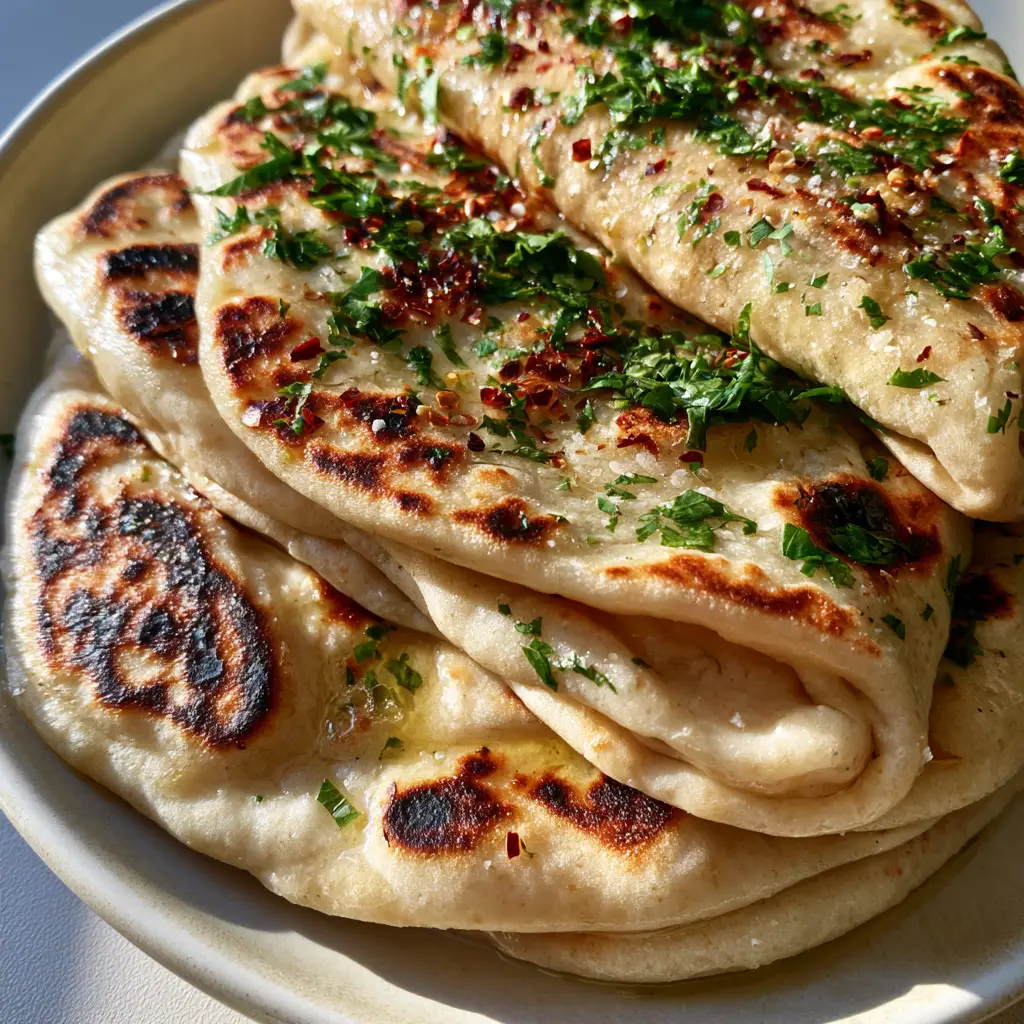
The beauty of the sourdough discard flatbread lies in its versatility. It is fast, requires no long proofing times, and utilizes the discard you would otherwise toss. By the time you finish reading this, you will know exactly how to achieve those iconic dark charred spots and that flexible, buttery finish shown in our photos.
Why This Sourdough Discard Flatbread is a Pinterest Favorite
- Unbelievable Flexibility: Unlike stiff crackers, these flatbreads are incredibly soft and pillowy, perfect for folding or dipping.
- The Perfect Char: We use a high-heat pan-searing method to create dark charred bubbles that add a smoky depth of flavor.
- Visual Appeal: Finished with finely chopped fresh parsley, dried red chili flakes, and a dusting of coarse sea salt for a professional look.
- Zero Waste: The most delicious way to ensure your sourdough starter discard never goes to waste.
- Quick Turnaround: From mixing bowl to table in under an hour, making it a perfect weeknight staple.
If you love working with sourdough, you might also want to try our pepperoni sourdough pizza bread for a more substantial meal. But for now, let’s master the art of the flatbread.
The Essential Ingredients for Buttery Sourdough Flatbread
To achieve the specific texture and flavor profile of our sourdough discard flatbread, every ingredient serves a culinary purpose. Do not skip the fats or the finishing salts, as they define the final experience.
1. Sourdough Discard: This provides the foundational tang and acidity. It doesn’t need to be active; straight from the fridge works perfectly. Use 1 cup (227g) of discard for the best flavor balance.
2. All-Purpose Flour: Provides the structure. We use 2 cups (240g) to ensure the dough remains soft but easy to handle. You can substitute bread flour for a chewier result.
3. Warm Water: Just 1/2 cup (120ml) helps hydrate the flour quickly and activates the proteins in the dough for better stretch.
4. Olive Oil: Added to the dough for elasticity and used in the pan for that soft, slightly oily sheen. You will need about 2 tablespoons (30ml) total.
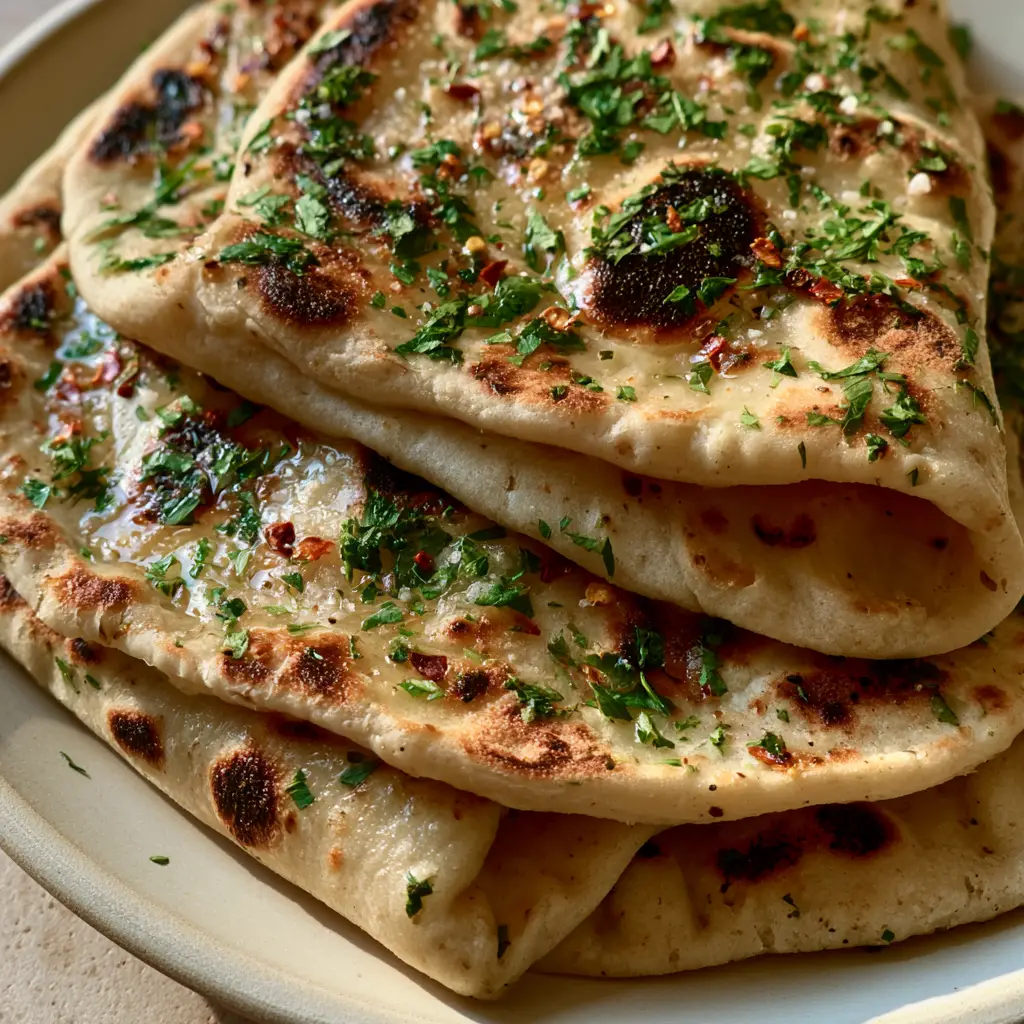
5. The Glaze and Garnish: This is the secret to the “wow” factor. We use melted unsalted butter, 1 tablespoon of finely chopped fresh parsley, 1 teaspoon of red chili flakes, and coarse sea salt to finish.
Step-by-Step Guide to Pan-Seared Perfection
1. Mixing the Sourdough Dough
In a large mixing bowl, combine your 1 cup (227g) sourdough discard with 1/2 cup (120ml) warm water and 1 tablespoon (15ml) olive oil. Whisk until the discard is mostly broken down. Gradually add 2 cups (240g) all-purpose flour and 1 teaspoon (6g) fine sea salt.
Mix until a shaggy dough forms. If the dough feels too sticky, add flour one tablespoon at a time. The goal is a dough that is soft but does not cling aggressively to your fingers. This is the base of your sourdough discard flatbread.
2. The Short Rest Period
Knead the dough on a lightly floured surface for about 3-5 minutes. You are looking for a smooth surface. Place the dough back in the bowl, cover with a damp cloth, and let it rest for 20-30 minutes. This allows the gluten to relax, which is the secret to making the bread pillowy and flexible later.
3. Dividing and Rolling
Divide your dough into 8 equal portions. Roll each piece into a small ball. On a floured surface, use a rolling pin to flatten each ball into a circle about 1/8 inch (3mm) thick. Do not worry about perfect circles; the rustic look is part of the sourdough discard flatbread charm.
4. Searing for Charred Air Bubbles
Heat a heavy cast-iron skillet or non-stick pan over medium-high heat. Add a tiny drop of oil. Carefully lay one flatbread into the hot pan. Visual Cue: Within 30-45 seconds, you should see large air bubbles puffing up across the surface.
Flip the bread. Press down slightly with a spatula to ensure the bubbles make contact with the pan, creating those beautiful dark charred spots. Cook for another 30-60 seconds until golden brown on both sides.
5. The Signature Butter Glaze
Immediately after removing the flatbread from the heat, brush it generously with melted butter. While the butter is wet, sprinkle the finely chopped fresh parsley, dried red chili flakes, and coarse sea salt over the top. The heat from the bread will slightly toast the herbs and chili, releasing their oils.
Expert Tips for the Best Sourdough Discard Flatbread
- Keep them Warm: As you finish each flatbread, stack them on a plate and cover them with a clean kitchen towel. The steam keeps them soft and flexible.
- High Heat is Key: If your pan isn’t hot enough, the bread will take too long to cook and become tough or cracker-like instead of having charred air bubbles.
- Discard Consistency: If your discard is very runny (high hydration), you may need an extra 1/4 cup of flour. Trust the feel of the dough over the exact measurement.
- Flavor Variations: Try adding garlic powder to the butter glaze for a garlic-herb version that pairs perfectly with garlic parmesan orzo.
How to Store, Reheat, and Freeze
Storing: Place cooled sourdough discard flatbread in an airtight bag or container. They will stay fresh at room temperature for up to 2 days or in the refrigerator for 5 days.
Reheating: To restore that “just-cooked” texture, avoid the microwave if possible. Instead, warm them in a dry skillet over medium heat for 30 seconds per side. This revives the melted butter glaze and keeps the edges crisp.
Freezing: These freeze beautifully! Place parchment paper between each flatbread so they don’t stick, then place the stack in a freezer bag. They last for up to 3 months. Thaw at room temperature for 15 minutes before reheating.
What to Serve With Sourdough Flatbread
This sourdough discard flatbread is an incredible vessel for dips and saucy dishes. We love serving it with a warm bowl of creamy chicken enchilada soup for dipping. The tang of the sourdough cuts through the richness of the soup perfectly.
For a Mediterranean-style dinner, serve these alongside roasted zucchini and squash and a dollop of hummus. The red chili flakes on the bread provide just enough heat to compliment roasted vegetables without overpowering them.

The Ultimate Sourdough Discard Flatbread Recipe
sourdough discard flatbread: The Ultimate Soft and Charred Pan-Seared Recipe
Ingredients
Equipment
Method
- Whisk together discard, water, and oil. Stir in flour and salt until a shaggy dough forms.
- Knead for 3-5 minutes until smooth. Cover and rest for 30 minutes to relax gluten.
- Divide dough into 8 balls and roll each into a thin 1/8 inch circle.
- Cook in a hot skillet for 45 seconds per side until large charred bubbles appear.
- Brush with melted butter and sprinkle with parsley, chili flakes, and coarse sea salt while hot.
Notes
Stack cooked flatbreads under a towel to keep them soft.
Save This Recipe to Pinterest!
Don’t lose this recipe! Click the Pin button to save this to your Sourdough or Side Dish boards on Pinterest. We would love to see your results, so please share a photo of your charred flatbreads in the comments below and give us a 5-star rating if you enjoyed this recipe!
Following zoe_chef_Official on Pinterest ensures you never miss a discard recipe. Happy baking!
Yes, adding 1/2 teaspoon of garlic powder to the dough or brushing the finished bread with garlic-infused butter is a delicious way to enhance the flavor.
Yes! While cast iron is best for high-heat retention and charred bubbles, any heavy-bottomed non-stick pan or griddle will work. Just ensure it is fully preheated before adding the dough.
No, this recipe is designed specifically for inactive sourdough discard. The chemical reaction of the discard’s acidity combined with high heat creates the pillowy texture.
Absolutely. Using cold sourdough discard is fine for this recipe as we are using a hot pan to create the rise and bubbles rather than relying on a long fermentation period.
Toughness usually comes from overcooking the bread at a temperature that is too low. High heat sears the outside quickly, keeping the inside soft. Also, ensure you stack them under a towel to steam after cooking.